
# Blog
# Welcome
This blog is a space for Teaching Artistry, advocacy, and lived creative practice.
I write from the work itself—as a Master Theatre Teaching Artist navigating classrooms, communities, libraries, and cultural spaces—as well as from reflection on what it means to sustain a creative life.
It centers advocacy, creative labor, and the systems that shape art in community spaces. It holds story, reflection, artistic process, and the ongoing practice of becoming.
Who Gets to Define Teaching Artistry?
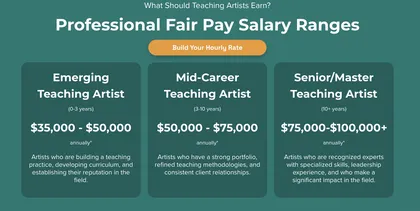
Building on Beyond Membership, this essay asks what collective power looks like in practice. It argues that professional infrastructure from pay tools to standards and governance should be created with, governed by, and accountable to Teaching Artists. TAMA's Fair Pay Rate Builder is presented not simply as a calculator, but as one step toward Teaching Artists defining and governing their own profession.
Beyond Membership
Building from Divide and Conquer: Why Teaching Artists Struggle to Mobilize Collectively, this essay explores what comes after recognizing fragmentation: building power. Through reflections on membership, labor organizing, and Teaching Artist-led infrastructure, it examines why connection alone is not enough to change systems. The work ahead is not creating new knowledge—it is creating the structures, resources, and shared power needed to act on what Teaching Artists already know.
What Would Happen If Teaching Artists Organized?
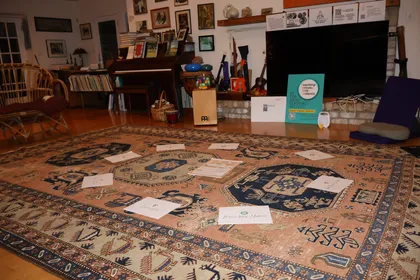
Following TAMA’s inaugural Teaching Artist Retreat, I reflect on what it would mean for Teaching Artists to recognize their shared conditions and collective potential. Too often, Teaching Artists experience low pay, instability, and isolation as individual struggles rather than structural realities. Looking to examples of labor organizing and collective action, this essay explores how solidarity is built—and how it is often fragmented—within arts ecosystems. It asks a central question: how might Teaching Artists move from shared understanding into sustained collective action in the long, difficult work of building a more just and sustainable field?

The Cost of Maintaining the Wrong Structures
Teaching Artistry is structurally dependent on fragmentation: while institutions publicly recognize Teaching Artists and discuss equity, they continue to maintain systems that concentrate funding, authority, and infrastructure in larger organizations rather than Teaching Artist–led ones.
As a result, Teaching Artists remain undervalued, under-compensated, and isolated from collective leverage, even though they are the labor force sustaining the field.
Divide and Conquer, Part 2
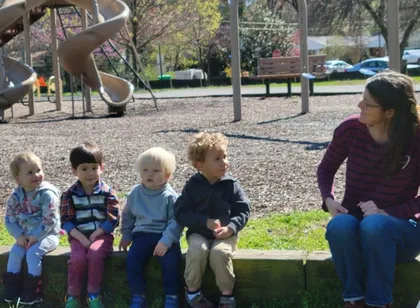
In part 2, I further examine how fragmentation in Teaching Artistry is built into systems of pay, contracting, classification, and training. I argue that this requires structural clarity, shared standards, and enforceable systems that reflect the full scope of Teaching Artist labor.
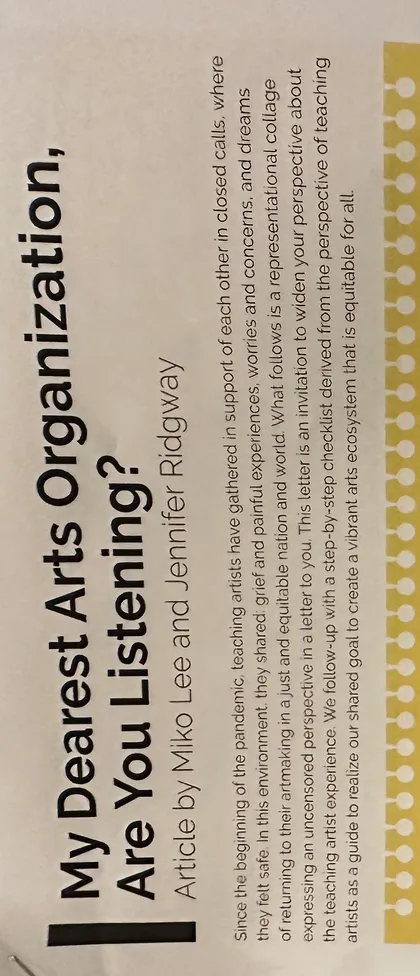
Divide and Conquer: Why Teaching Artists Struggle to Mobilize Collectively
The field shapes Teaching Artists through structural fragmentation across geography, disciplines, employment systems, and institutional access. These overlapping systems produce uneven value, scarcity, and separation between “inside” and “outside” positions, limiting connection and hindering collective organizing. With collective commitment, Teaching Artists can move from fragmentation toward power.

The Hidden Labor of Teaching Artists
This piece exposes the full scope of Teaching Artist labor. Before, between, during, and after the visible moment of a session, and how most of it goes uncompensated. This invisibility is not accidental, but structural, with artists absorbing the cost of sustaining programs. The result is a system that depends on hidden labor while failing to fully recognize or resource the professionals doing the work.
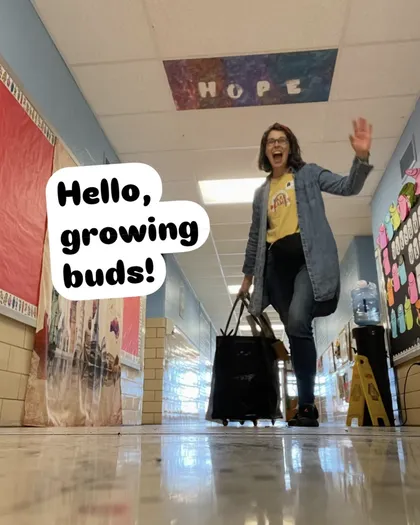
Stop Training Teaching Artists. Start Paying Them.
Teaching Artists are often told the solution is more training. We are missing the real issues: a lack of compensation, trust, and power-sharing with artists. Teaching Artists know what the work demands, and when they have felt valued and supported in doing their best work.

Outside the Gate: A Story About Excellence in Teaching Artistry
This personal reflection traces my journey as a Teaching Artist working outside what is traditionally considered “respected” theatre. It asks a central question: if the work has always been excellent, why have our systems struggled to recognize, resource, and value it?

We Don’t Have a Training Problem. We Have a Pay Problem.
This follow-up builds on the growing conversation sparked by my recent post. It clarifies what’s at stake for Teaching Artists and lays the groundwork for a series of deeper explorations into fair pay, hidden labor, systemic barriers, and what it will take to move from dialogue to action.

Stop Rebuilding What Already Exists: Teaching Artists Are Leading the Field
The Teaching Artist field does not need to be rebuilt. It needs to be recognized and resourced. This piece exposes the cycle of extractive “listening,” highlights the work already being led by Teaching Artists, and calls for a shift in power, compensation, and accountability.